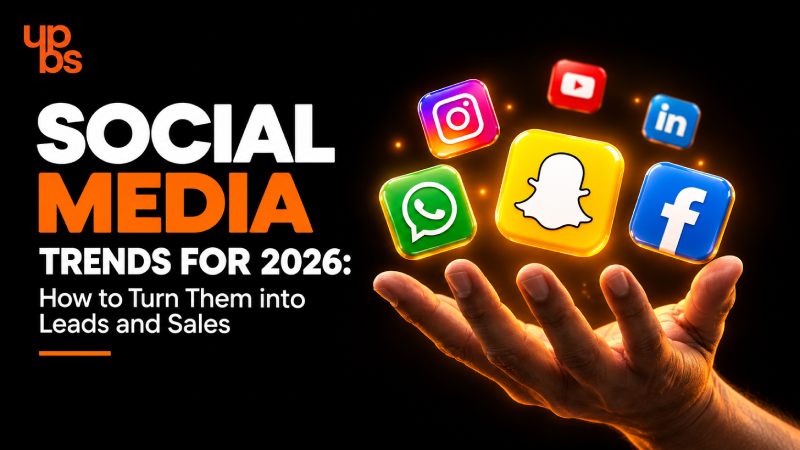
Most businesses track social media trends for 2026 the wrong way, watching likes and reach climb while leads stay flat. After years of running social media marketing for brands across industries, I've learned that the difference isn't who posts the most; it's who turns the right trend into a repeatable sales process. This guide breaks down the social media trends for 2026 that genuinely move the needle, including what's happening specifically in India, and exactly how to turn each one into leads rather than just engagement.
What Are the Biggest Social Media Trends for 2026?
The biggest social media trends for 2026 are structural, not aesthetic; they change how customers discover, trust, and buy from brands, not just how content looks on a feed.
Where Is Everyone's Attention Going?
Attention on social media has fragmented. Instead of one platform or format dominating, audiences are splitting their time across private messaging, short video, and niche communities. This is one of the quieter latest social media trends, but it's reshaping how brands need to show up consistency across several smaller touchpoints now matters more than dominating a single feed.
Why Community Is Beating Virality in 2026
One of the clearest social media trends for 2026 is the shift away from chasing viral reach toward building smaller, more engaged communities. Brands are moving conversations into DMs, WhatsApp groups, and private channels because that's where actual trust gets built. In my own experience advising brands on this shift, the ones who stopped obsessing over follower counts and started replying personally to comments and messages saw real inquiries climb within weeks far faster than any viral post ever delivered.
AI Is Now a Must-Have, Not an Option
AI has moved from an experiment to a default tool across content creation, ad targeting, and analytics. Industry surveys show that the vast majority of marketing professionals now use AI for social media tasks, with a large share using it daily to generate content ideas and speed up production. But there's a catch worth knowing: recent industry reports found that a meaningful share of consumers say they're less likely to choose a brand that uses obviously AI-generated ads. The practical takeaway from this social media trend is simple: use AI to move faster, but keep a human voice in anything customer-facing.
Influencer Marketing Is Changing
Influencer marketing hasn't slowed down, but what businesses expect from it has changed. Brands are prioritizing creators who've built genuine trust with a smaller, focused audience over sheer follower count, since audiences increasingly treat creator recommendations the way they once treated search results. This shift toward trust-first influencer marketing is one of the latest social media trends worth budgeting for, even on a modest scale.
Quick summary - 4 trends at a glance:
- Community and private engagement over viral reach
- AI embedded in workflows, but human voice still essential
- Trust-based influencer partnerships over follower count
- Fragmented attention across smaller, consistent touchpoints
Social Search: How People Are Finding Brands Without Google
Among the latest social media trends, this one deserves the most attention from business owners: a growing share of consumers now start their search journey directly on social platforms instead of Google. This mirrors a bigger shift happening across search more broadly, one we've covered in our SEO to GEO breakdown, since the same AI-driven discovery behavior showing up on Google is now showing up on social platforms too.
Search behavior now looks different on each major platform:
- Instagram - users search captions, hashtags, and location tags to find products and local businesses
- YouTube - treated as a direct answer engine for how-to and comparison queries
- TikTok - increasingly used for quick recommendations, reviews, and "best of" style searches
Latest Social Media Trends in Video: Long-Form Makes a Comeback
Short-form video isn't going anywhere, but one of the more surprising latest social media trends is the return of longer content. Platforms have extended their video limits significantly, and brands publishing short, serialized video series rather than one-off clips are seeing stronger repeat viewership. For businesses, this social media trend is an opportunity: a short series answering common customer questions builds familiarity in a way a single 15-second clip simply can't.
Social Media Trends in India: What's Different
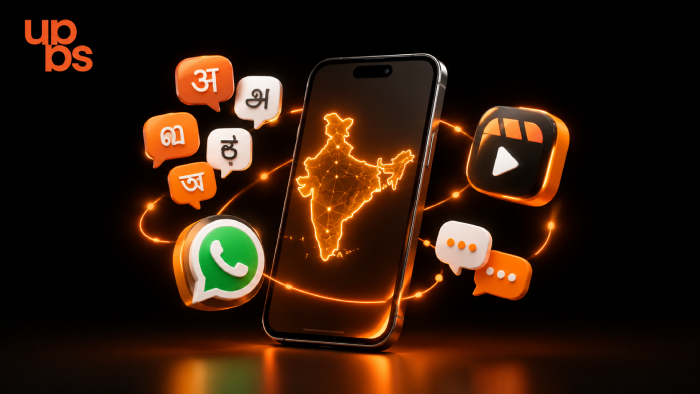
Social media trends in India follow the global pattern but with sharper local dynamics. A large and growing share of Gen Z in India now uses social apps as their primary way to discover products and brands, ahead of traditional search.
- Regional language content - Hindi and regional-language posts consistently outperform generic English content aimed at a national audience
- Mobile-first audience - most social media consumption in India happens entirely on mobile, shaping how content needs to be formatted
- WhatsApp and Instagram's role - WhatsApp Business communities have grown into the millions of active groups, while Instagram Reels remain the primary discovery format for brands
This is one of the more overlooked social media trends in India. Businesses assume national reach requires national-sounding content, when the opposite is usually true for actually converting nearby customers.
Social Commerce: Turning Scrolls Into Sales
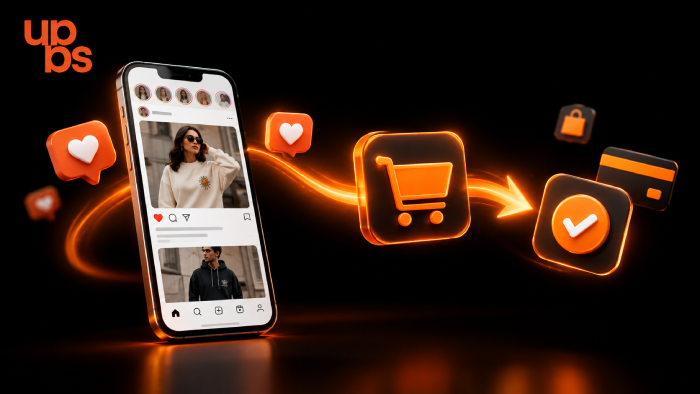
This is where social media trends for 2026 stop being about engagement and start being about revenue directly. A majority of consumers now report buying something directly through a social platform within the past few months, without ever leaving the app. The discovery-to-checkout journey that used to take several steps has compressed into a single in-app action on platforms like Instagram and TikTok. For businesses still treating social media purely as a brand-awareness channel, this trend alone is reason enough to add shoppable posts, in-app checkout, or direct product links to the strategy this year.
Practical Ways to Convert Engagement Into Inquiries
Knowing the trends isn't the hard part connecting them to actual leads is. This is exactly what we break down in social media's impact on marketing, because not every platform converts the same way.
In practice, treating a trend as a lead source means building in:
- Lead forms - embedded directly in bio links, Reels, and DMs rather than buried on a separate page
- Retargeting - following up with people who engaged but didn't convert the first time
- Tracking and CTAs - every post tied to a clear next action, not published for engagement alone
Why Paid Social Still Needs the Right Strategy
Organic reach from these trends only goes so far, and most businesses eventually need paid support to scale what's working. The problem is that a huge number of ad campaigns fail to generate real leads, not because the budget was too small, but because the targeting and creative weren't aligned with how people actually behave on social media now. If your ads have felt like they're underperforming lately, it's worth reading why ads stop converting before increasing spend on a strategy that isn't built around these current social media trends.
Pairing Social Media With SEO for Maximum Reach
Social media trends for 2026 don't exist in isolation from search anymore; the two are converging. Content that performs well on social media, especially with clear captions and keyword-rich text, increasingly supports your visibility in traditional search results too. Pairing a strong social strategy with dedicated SEO services means your content works twice as hard, showing up both in social feeds and in search results for the same effort.
Should You Manage This In-House or Outsource?
Keeping up with social media trends month to month is genuinely time-consuming, which is why many businesses and even other agencies choose to outsource the work entirely.
| Factor | In-House | Outsourced |
| Cost | Fixed salary regardless of output | Scales with actual workload |
| Speed | Limited by one team's bandwidth | Faster execution with a dedicated team |
| Expertise | Depends on who you hire | Access to broader, specialized experience |
If you're an agency or business without an internal team to execute on these trends consistently, exploring white-label social media management is often faster than trying to build and train an in-house team from scratch.

Why Businesses Choose UPBS Technology for Social Media Marketing
At UPBS Technology, we don't chase every social media trend that shows up in a headline, we filter for the ones that actually translate into inquiries and sales for the specific business we're working with. We work backward from the result if you actually want inquiries, bookings, or sales and only then decide which trends are worth applying, rather than adopting every trend across the board and hoping something sticks. Our approach is built around that filter:
- Expertise - a team that tracks platform changes closely, not generic content calendars
- Process - trend evaluation based on what's realistic for your team's bandwidth and budget
- Results - clear reporting tied to leads and inquiries, not just likes and followers
Social Media as Part of a Bigger Digital Strategy
None of these social media trends work as well in isolation as they do alongside a coordinated digital marketing plan. When social media works together with SEO, paid ads, content and a well-designed website, every channel supports the others. Trends bring attention, SEO builds lasting visibility, and your website turns that traffic into leads. Together, they keep your brand visible at every step.
Using Social Data to Inform Decisions Beyond Social Media
Social media generates more than content performance data; it reveals what your audience actually cares about, which can shape email campaigns, website messaging, and even product decisions. Brands using social insights this way, rather than treating the data as disposable after a post goes live, are increasingly common among top digital marketing companies structuring their services for 2026.
Ready to Turn These Trends Into Real Business Results?
Knowing the latest social media trends is only useful if they're translated into an actual strategy for your business. Talk to UPBS Technology and we'll show you honestly which social media trends for 2026 are worth your time and budget and which ones are just noise.
Frequently Asked Questions
What are the biggest social media trends for 2026?
The biggest social media trends for 2026 include AI becoming a standard part of content workflows, community-focused engagement replacing viral reach as a growth metric, social platforms functioning as search engines, and social commerce enabling direct in-app purchases without redirecting users elsewhere.
How is social media different in India compared to global trends?
Social media trends in India follow global patterns but lean more heavily on regional language content, private messaging platforms like WhatsApp, and short-form video discovery, with a large share of Gen Z using social apps as their primary way to find products and brands.
Can social media trends actually generate leads, or just engagement?
Yes, when applied correctly. Trends like social commerce, community-focused content, and social search directly support lead generation, but only when content includes a clear next step, a form, a DM prompt, or a shoppable link rather than being published for engagement alone.
Should small businesses use AI for social media content in 2026?
AI can speed up caption writing, idea generation, and scheduling, but businesses should be cautious about publishing obviously AI-generated content, since a meaningful share of consumers report being less likely to trust or choose brands that lean too heavily on visibly AI-made ads.
Is organic social media enough, or do businesses need paid ads too?
Organic content builds trust and community, but paid social is usually necessary to scale reach beyond your existing audience. The key is aligning ad targeting and creativity with current social media trends, rather than running the same ad strategy that worked a few years ago.
Is influencer marketing still worth it in 2026?
Yes, but the approach has shifted. Businesses are seeing better results from creators with smaller, highly engaged audiences than from high-follower accounts with weaker trust, since audiences increasingly treat creator recommendations the way they once treated search results.
Should I manage social media in-house or outsource it?
It depends on your team's bandwidth and expertise. In-house teams offer more control but are limited by available time, while outsourcing including white-label options for agencies typically offers faster execution and broader platform expertise without the overhead of hiring and training internally.