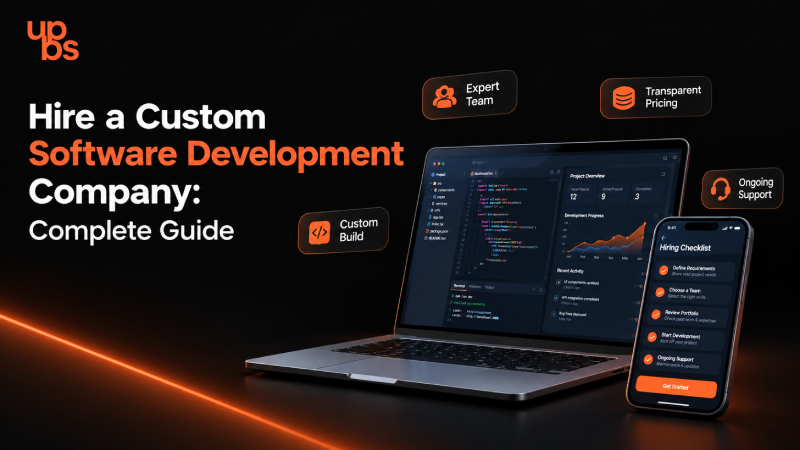
If you're reading this, you've probably already decided that off-the-shelf tools aren't cutting it anymore, and you're ready to hire a team to build custom software for your business. That's a big decision, and getting it wrong costs more than money. It costs months of delay while a vendor figures out your business from scratch. This guide walks through exactly what to look for, what to expect, and how to hire the right partner for custom software that actually fits how you work.
Why Businesses Are Moving Toward Custom Software
Generic software forces your business to adapt to someone else's workflow. Custom software does the opposite: it's built around your actual processes, your data, and your growth plans, not a template built for thousands of unrelated companies. More businesses are choosing to hire a custom software development partner today simply because the cost of forcing their operations into rigid, generic tools has become more expensive than building something tailored from the start.
Why Hire Custom Software Developers
Building software in-house sounds appealing until you factor in the actual cost of hiring, training, and retaining a full development team just to maintain one system. When you hire custom software developers through an established company instead, you get an entire team's worth of skills design, backend development, testing, and ongoing support without carrying that overhead yourself long-term. It also means the people building your custom software have already solved similar problems before, so you're not paying to learn lessons a specialized team already knows. For most businesses, hiring dedicated custom software developers ends up being faster and more cost-effective than trying to build and manage that expertise internally from scratch.
Signs Your Business Is Ready to Hire a Custom Software Team
Not every business needs custom software right away, but a few clear signals usually mean it's time:
- Your team relies on spreadsheets or manual workarounds to patch gaps in existing tools
- You're paying for multiple subscriptions that don't talk to each other properly
- Your growth is being slowed down by software limitations, not lack of demand
- Competitors with tailored systems are moving faster than you on the same tasks
If two or more of these sound familiar, it's a strong sign that generic tools have reached their limit and custom software is worth seriously evaluating. Waiting too long to make this call usually means more time lost to the same workarounds you're already frustrated with.
What to Check Before You Hire a Custom Software Partner
Choosing who builds your custom software matters as much as the decision to build it at all. Before signing anything, check for:
- Relevant experience — have they built custom software for businesses like yours before?
- A discovery-first process — do they take time to understand your workflow, or jump straight to coding?
- Clear ownership terms — do you fully own the code and data once the custom software is delivered?
- Post-launch support — is there a plan for updates and fixes after go-live, or is it a one-time handover?
- Transparent pricing — are costs broken down by phase, or bundled into a vague lump sum?
Skipping this checklist is exactly how businesses end up with custom software that technically works but doesn't actually solve their problem. A well-run custom CRM development engagement is a good reference point for what a properly scoped project actually looks like from checklist to delivery.
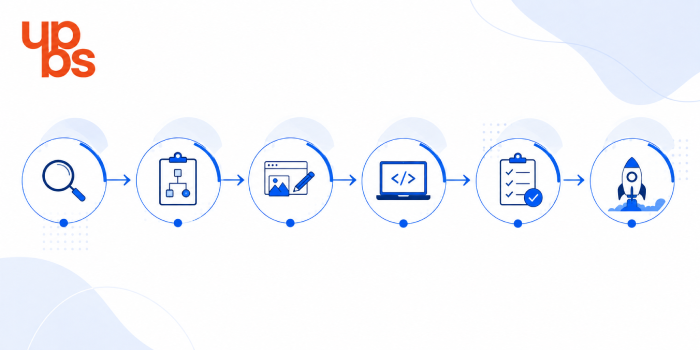
The Custom Software Development Process, Step by Step
A trustworthy development partner will walk you through a structured process rather than jumping straight into building. Here's what that typically looks like:
- Discovery — understanding your business, workflows, and specific pain points
- Planning and architecture — deciding how the custom software will be structured and what it needs to integrate with
- Design — mapping out how users will actually interact with the system
- Development — building the custom software in stages, usually with regular check-ins
- Testing — catching issues before real users ever see them
- Launch and support — going live, followed by ongoing maintenance and improvements
Knowing this sequence upfront makes it much easier to spot a vendor who's cutting corners
Custom Software or Website First? Getting the Sequence Right
One question I get constantly: should you hire a team to build custom software, or start with a website? For most businesses, a strong website comes first, it's how customers find you and how you build initial credibility, while custom software typically solves internal or operational problems once you already have traction. Getting this sequence backwards is one of the most common and expensive mistakes I see, which is why it's worth understanding what a properly built website development foundation actually looks like before layering custom software on top of it.
Where to Find the Right Custom Software Development Company
Once you know you need custom software, the next question is where to actually look. Businesses generally have three routes: established software development companies with full in-house teams, freelance platforms for smaller, one-off tasks, and professional referrals from your own network. Established companies work best when you need ongoing support and accountability, since you're not managing multiple individual contractors yourself. Freelance platforms can work for narrow, well-defined tasks, but coordinating several freelancers on a larger custom software build often creates more overhead than it saves. Referrals from other business owners who've already been through this process are often the fastest way to shortlist a partner worth talking to.
Custom Software vs. Generic Tools vs. Outsourcing: Which Fits Your Business?
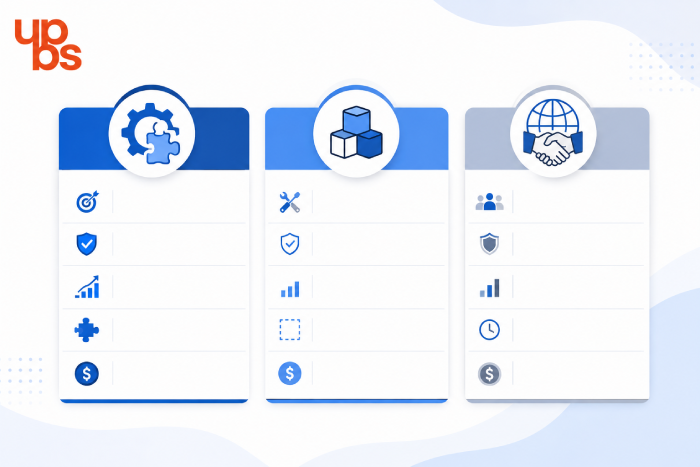
It helps to see all three options side by side before deciding how to hire. Generic, off-the-shelf software is the cheapest and fastest to set up, but it forces your business into someone else's workflow and rarely scales cleanly as you grow. Outsourced development hiring an external team, often offshore, can reduce the cost of building custom software significantly, provided communication and project management are handled well. True custom software built by a dedicated partner sits between these: higher upfront investment than generic tools, but full ownership, flexibility, and a system that actually fits how your business operates instead of the other way around. Most growing businesses eventually land on some version of hiring a custom software partner once the limitations of generic tools start costing more than the build itself would.
Common Systems Businesses Hire Developers to Build
Different businesses hire for different reasons, but a few types of custom software come up again and again: customer and lead management systems, internal operations tools, booking or scheduling platforms, and customer-facing portals. Among these, CRM systems are one of the most requested, since generic tools rarely match how a specific business actually sells and manages relationships. If that's the direction you're exploring, it's worth reading a full guide to CRM software before you hire anyone, so you walk in already knowing what a well-built system should include.
One Example: Choosing to Hire Custom Developers Over Shopify
This exact hiring decision plays out constantly in e-commerce. Shopify works well for many stores, but once a catalog, checkout logic, or integrations get complex enough, a templated platform starts holding a business back instead of helping it. It's a clear, real-world version of the core question this whole guide is built around: when does it make sense to hire for something custom instead of settling for an off-the-shelf tool? If you're at that stage, comparing Shopify against custom e-commerce development is worth doing before you decide which direction actually fits your business.
Don't Forget SEO Once Your Custom Software Is Live
Here's something businesses often overlook: building great custom software doesn't automatically mean people will find you. If your custom software includes any customer-facing component a portal, a booking system, or a dashboard it still needs to be discoverable and well-optimized. Pairing your custom software rollout with proper SEO strategy ensures the investment you just made actually gets seen by the people who need it.
Red Flags to Watch for When You Hire a Custom Software Company
Just as important as knowing what to look for is knowing what should make you walk away. Over the years, a few warning signs have proven to be reliable predictors of a bad custom software experience:
- Vague timelines with no clear milestones — if a vendor can't break the project into phases with dates attached, that's usually a sign the process itself isn't well managed
- Reluctance to discuss past projects or references — a team confident in their custom software work will happily point you to examples
- Pressure to sign quickly — legitimate custom software partners expect you to take time evaluating a decision this significant
- No mention of testing or QA — skipping this step is how businesses end up with custom software that breaks under real-world use
- Unclear communication about who owns the code — this should never be left ambiguous in a contract
If you notice even one or two of these during early conversations, it's worth treating that as a serious signal before committing a budget to that custom software partner.
How to Prepare Before You Hire a Custom Software Team
Coming into the hiring process prepared makes a real difference in how smoothly a custom software project goes. Before your first call with a potential partner, it helps to have a rough idea of your must-have features versus nice-to-haves, a realistic budget range, and a list of the tools your custom software will need to integrate with. You don't need a finished technical spec that's typically what the discovery phase is for but walking in with clarity on your actual problem, rather than just a vague idea that you need "custom software," makes the entire hiring process faster and far more accurate.
How Much Does It Cost to Hire a Custom Software Company?
This is usually the first question business owners ask, and the honest answer is that it depends entirely on scope. A focused custom software project, a single internal tool or a basic customer portal costs far less than a full multi-module system with integrations across your existing tech stack. The more useful way to think about it isn't the price tag alone, but the cost of continuing to lose time and money to workarounds every month you delay. Most businesses find that custom software pays for itself once the inefficiencies it replaces are added up.

Why Businesses Choose UPBS Technology to Build Their Custom Software
When businesses decide to hire a partner for custom software, they're not just hiring for code they're hiring for judgment. At UPBS Technology, every custom software engagement starts with genuinely understanding your business before a single line of code gets written. Here's what that looks like in practice:
- Discovery conversations focused on your actual workflow, not a generic intake form
- Custom software architecture built to scale as your business grows, not just to launch
- Transparent, phase-based pricing so you know exactly what you're paying for
- Ongoing support after launch, not a one-time handoff
That approach is exactly why businesses choose to hire us for custom software instead of settling for a vendor who treats every project the same way.
Ready to Hire the Right Custom Software Partner?
Choosing the wrong team to build your custom software costs more than a bad first draft; it costs months you won't get back. Talk to UPBS Technology before you hire anyone, and we'll walk through your actual business needs honestly, so you know exactly what kind of custom software makes sense before you spend a single rupee.
Frequently Asked Questions
How do I know if my business actually needs custom software?
If your team is relying on spreadsheets to patch gaps in existing tools, paying for multiple subscriptions that don't integrate, or losing time to manual workarounds, that's usually a clear sign that custom software would solve problems generic tools can't.
How long does it take to hire and build custom software?
Timelines vary widely by scope. A focused custom software tool might take a few weeks from hiring to launch, while a larger, multi-module system with integrations can take several months. A good partner will give you a realistic timeline during discovery, not a generic estimate.
What's the difference between hiring a freelancer and a custom software company?
A custom software company typically offers a full team design, development, testing, and support along with more accountability and continuity if someone leaves the project. Freelancers can work well for small, simple builds, but larger custom software projects usually benefit from a structured team.
Do I own the code once my custom software is built?
This depends entirely on your contract, which is exactly why checking ownership terms before you hire is so important. Reputable custom software partners give you full ownership of the code and data once the project is delivered and paid for.
Is custom software more expensive than off-the-shelf tools long-term?
Not necessarily. While the upfront cost of custom software is usually higher, off-the-shelf tools often carry ongoing subscription costs, workaround expenses, and lost productivity that can add up to more over time than a one-time custom build.