The way students search for educational opportunities has completely transformed. Whether it’s schools, colleges, or online courses, Google is the first place people go before making decisions. In 2026, simply having a website is not enough. Educational institutions must adopt advanced SEO strategies to appear in top search results, build trust, and drive consistent admission inquiries. This guide covers in-depth, actionable SEO strategies designed specifically for educational institutions.
What is SEO for Educational Institutions?
SEO (Search Engine Optimization) for educational institutions is the process of improving your website’s visibility on search engines to attract students, parents, and learners.
It focuses on:
- Increasing organic traffic
- Targeting admission-related keywords
- Building credibility and authority
- Generating high-quality leads
In 2026, SEO is not just about rankings, it's about reaching the right audience at the right time and guiding them from search to admission.
Understanding Search Intent in Education SEO
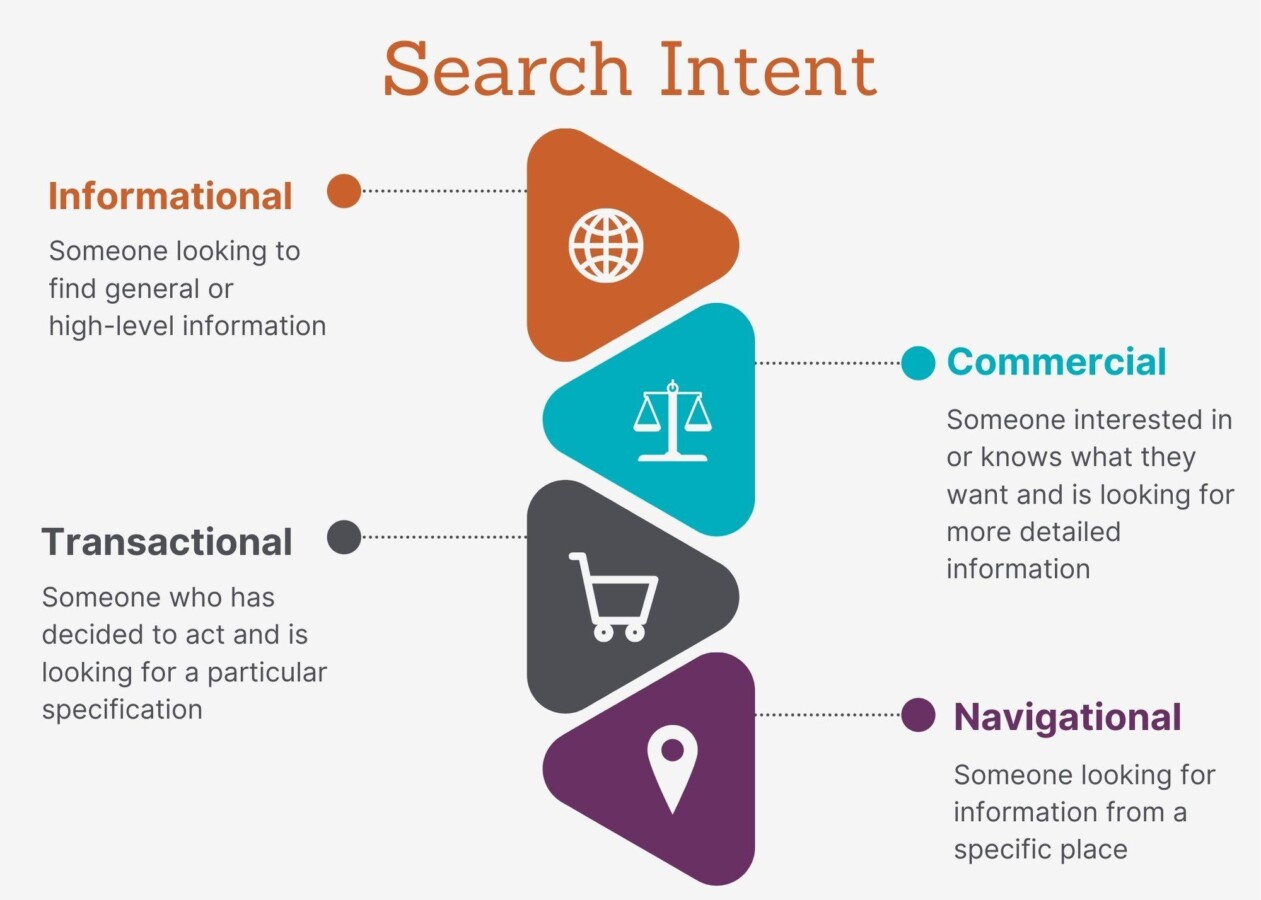
Search intent refers to the purpose behind a user’s query whether they are looking for information, a specific website, or ready to take action like applying for admission.
Types of Search Intent in Education SEO
- Informational (Awareness Stage)
Users are researching and exploring career or course options.
Example: “best career options after 12th”
Create blogs, guides, and FAQs to educate users and build trust. This stage helps bring maximum organic traffic. - Navigational
Users already know about your institution and want to visit your website.
Example: “XYZ college official website”
Optimize your homepage, brand keywords, and ensure your website appears on top for branded searches. - Transactional (Decision Stage)
Users are ready to take action like applying for admission or making an inquiry.
Example: “apply for BBA admission 2026”
Create dedicated admission pages with strong CTAs like Apply Now, Book a Demo, or Enquire Now to increase conversions.
4. Local Intent
Users are searching for institutions in a specific city or nearby area.
Example: “top schools near me”
Use location-based keywords, optimize your Google Business Profile, and collect reviews to improve local rankings.
Advanced Keyword Research Strategy for 2026
In 2026, keyword research is no longer just about finding high-volume keywords. Search engines now prioritize user intent, topic relevance, and content depth. That’s why focusing on topic clusters instead of single keywords is essential for better SEO performance.
Key Focus Areas
- Long-tail keywords: More specific phrases with lower competition and higher conversion potential
(e.g., “best MBA college in Noida with placement”) - Question-based queries: Target what users are actively searching for
(e.g., “which course is best after 12th?”) - Voice search phrases: Use natural, conversational language as more users rely on voice search
- Location-based keywords: Essential for local visibility
(e.g., “top institute in Noida”)
These keyword types help attract high-intent traffic that is more likely to convert into enquiries or admissions.
Pro Tip for 2026
Focus on low-competition, high-intent keywords to achieve faster rankings, especially for new or growing websites. Also, group similar keywords into clusters and use them naturally within your content instead of overusing a single keyword. This improves readability, SEO performance, and user experience.
Content Marketing Strategy for Educational Websites
Content is the backbone of SEO for educational institutions. High-quality, informative content not only improves search rankings but also helps build trust with students and parents, guiding them toward admission decisions.
Types of Content You Must Create
- Career guidance blogs: Help students choose the right path
- Course comparison articles: Compare courses, colleges, or career options
- Admission guides: Provide step-by-step admission processes and requirements
- FAQs: Answer common student queries clearly
- Student success stories: Build credibility and trust through real experiences
A mix of these content types ensures you target users at different stages of their journey.
High-Performing Content Ideas
- “Best Career Options After 12th in 2026”
- “Top In-Demand Skills for Future Jobs”
- “MBA vs PGDM: Which is Better?”
- “How to Choose the Right Course After Graduation”
- “Career Scope in Digital Marketing in 2026”
Focus on topics that solve real problems and answer common questions.
Content Optimization Tips
- Use relevant keywords naturally within the content
- Write clear headings (H1, H2, H3) for better readability
- Add internal links to related pages
- Keep content updated with the latest information
- Use simple and engaging language
Link Building Strategies for Educational Institutions
Backlinks are an important ranking factor in SEO. They act as votes of trust from other websites, helping search engines understand that your educational website is credible and authoritative. High-quality backlinks can significantly improve your search rankings, domain authority, and organic traffic.
Effective Link Building Methods
- Guest blogging: Publish articles on relevant education or industry websites to earn quality backlinks
- Collaborations with education portals: Partner with education platforms, blogs, or consultants for mentions and links
- Directory submissions: List your institution on trusted educational directories and local listings
- Press releases: Share important updates like admissions, events, or achievements on media platforms
Focus on getting links from relevant and niche-specific websites for better SEO impact.
AI & Voice Search Optimization in 2026
In 2026, search behavior is rapidly shifting towards AI-powered search engines and voice assistants. Users now prefer asking complete questions instead of typing short keywords. This makes it essential for educational institutions to optimize content for natural language and conversational queries.
Optimize for AI & Voice Search
- Use conversational keywords: Write content in a natural, human-like tone
- Answer questions clearly: Provide direct and concise answers to common queries
- Optimize for featured snippets: Use short paragraphs, bullet points, and FAQs
- Target question-based queries: Focus on “what,” “which,” “how,” and “why” searches
- Add FAQ sections: Helps improve chances of appearing in voice search results
The goal is to make your content easy for both users and AI to understand.
Conversion Optimization: Turn Visitors into Admissions
Traffic alone is not enough, you need conversions.
Improve Conversions By:
- Adding clear CTAs (Apply Now, Enquire Now)
- Simple admission forms
- Live chat support
- Testimonials and reviews
Common SEO Mistakes to Avoid
- Ignoring user intent
- Keyword stuffing
- Poor mobile experience
- No content strategy
- Slow website speed
- Not tracking performance
How UPBS Technology Helps Educational Institutions Grow?
UPBS Technology offers specialized Search Engine Optimization services for educational institutions, helping schools, colleges, and training institutes build a strong online presence and attract the right audience.
Keyword Research & Strategy: We identify high-intent, admission-focused keywords to target the right audience at every stage
Website Optimization: Improve website structure, speed, and on-page SEO for better rankings and user experience
Content Marketing: Create informative and engaging content like blogs, guides, and course pages to attract and educate users
Local SEO: Optimize your Google Business Profile and local presence to attract nearby students
Lead Generation: Implement strategies to convert website visitors into enquiries and admissions
SEO for educational institutions is no longer optional—it’s essential. By implementing the right strategies, you can attract the right audience, build trust, and increase admissions. The key is consistency, quality content, and continuous optimization. Looking to grow your institution online and increase admissions? Partner with UPBS Technology today and dominate search rankings in 2026